Wait a few moments ...


fig
almonds
charcoal
Dates
Saffron
Barberry
synthetic polymers
Iranian Handicrafts
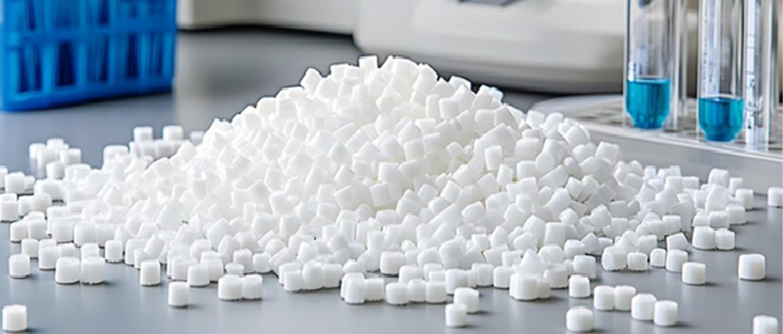
Common Mistakes in Buying White Masterbatch
2026-02-1550
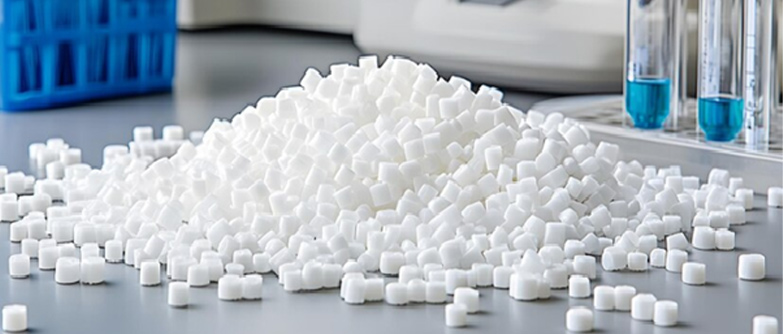
Common Mistakes in Buying White Masterbatch (And How to Avoid Them)White masterbatch is one of the most widely used additives in the plastics industry. From packaging films to injection molded products, choosing the right white masterbatch directly affects product appearance, performance, and cost efficiency.However, many importers and manufacturers make critical mistakes when purchasing white masterbatch — especially in international trade.In this article, we’ll review the most common mistakes and explain how to avoid them.1. Focusing Only on Titanium Dioxide PercentageOne of the biggest misconceptions is assuming that higher TiO₂ percentage automatically means better quality.While titanium dioxide content is important, dispersion quality, particle size, and compatibility with the base polymer are equally critical.Poor dispersion can lead to:Uneven colorWeak opacitySurface defectsProcessing problemsAlways request:Technical Data Sheet (TDS)Sample for testingInformation about TiO₂ grade (rutile or anatase)2. Ignoring Polymer CompatibilityWhite masterbatch must match your base polymer (PE, PP, PS, PET, etc.).Using a PE-based masterbatch in a PP application can result in:Poor mixingWeak mechanical propertiesReduced final product strengthBefore ordering bulk quantities, confirm:Carrier resin typeMelt Flow Index (MFI)Processing temperature compatibility3. Choosing the Cheapest OptionPrice is important — especially in export markets — but extremely low prices often indicate:Low-quality TiO₂High filler content (CaCO₃)Poor dispersionReduced opacityLow-cost masterbatch may increase your consumption rate, which actually raises total production costs.Smart buyers compare:Cost per finished productRequired dosage rateLong-term consistency4. Not Testing Opacity and CoverageOpacity is critical in many industries such as:Food packagingPharmaceutical packagingHygiene productsHousehold plastic itemsInsufficient opacity can:Affect brandingReduce UV protectionLower perceived product qualityAlways test:Opacity performanceWhitening strengthUV resistance (if required)5. Overlooking Export Standards and DocumentationFor international buyers, documentation is essential.Make sure your supplier can provide:COA (Certificate of Analysis)MSDSREACH compliance (if exporting to Europe)Food-grade certification (if required)Failure to verify documentation may cause customs delays or rejection.6. Ignoring Supplier ReliabilityConsistency is critical in industrial production.Unreliable suppliers may cause:Batch-to-batch color variationDelayed shipmentsInconsistent qualityWhen selecting a white masterbatch supplier, evaluate:Production capacityQuality control systemExport experienceAbility to handle bulk international ordersHow to Choose the Right White Masterbatch SupplierA professional supplier should: Provide customized formulations Offer competitive export pricing Guarantee consistent quality Provide technical supportShip internationally with proper documentationIf you are importing white masterbatch for film extrusion, injection molding, or blow molding applications, working with an experienced exporter ensures long-term stability and cost efficiency.Final ThoughtsBuying white masterbatch is not just about price or TiO₂ percentage. It’s about performance, compatibility, documentation, and supplier reliability.Avoiding these common mistakes will help manufacturers reduce costs, improve product quality, and ensure smooth international trade operations.
Articles category